
Images N’ Poems
2017|Type: WeChat Mini-Program|Tag: Design Led|Role: Design Sprint Master
Background
Artificial Intelligence gets popular in 2017, in-house teams are neck and neck in the race. AI Lab is one of them. There is an urgent need for them to package existing technologies into MVPs for external publicity. This is the first time to use Design Sprint from pulling up a team to collide ideas to delivering a prototype in three days.
On the 1st Day afternoon|Introduction and Divergent Creation
Understand
The project launched by the public relations supervisor of brand communication is to provide visitors with an understandable, fun, and easy-to-use MVP of AI technology.
Teams are really stoked on MVPs based on Artificial Intelligence. This field is new for us, and we can do something funny with new technologies. As planned, we held the lightning talk, and engineers from computer vision and nature language processing were invited to introduce their professional terminology, such as facial recognition, image style transfer, portrait segmentation, image caption, image classification, skeleton-based action recognition, and natural language processing.
The engineers were introduced to the basic concepts of user experience. After that, we as designers gradually led the discussion to the stage of divergence. The HMW format appeared in our minds. We tried to enlighten team members to improve or combine existing ideas. After presenting how to reframe insight statements as How-Might-We, everyone was offered the chance to answer the challenges in a variety of ways, such as:
How might we use image style transfer and image caption to write a poem for Ink wash painting?
How might we use skeleton-based action recognition to capture postures when people come by?
How might we use image classification and real-time translation to teach children to distinguish objects?
We got a lot of HMW questions, and it really required vitality. So we decided to discuss it on the second day.
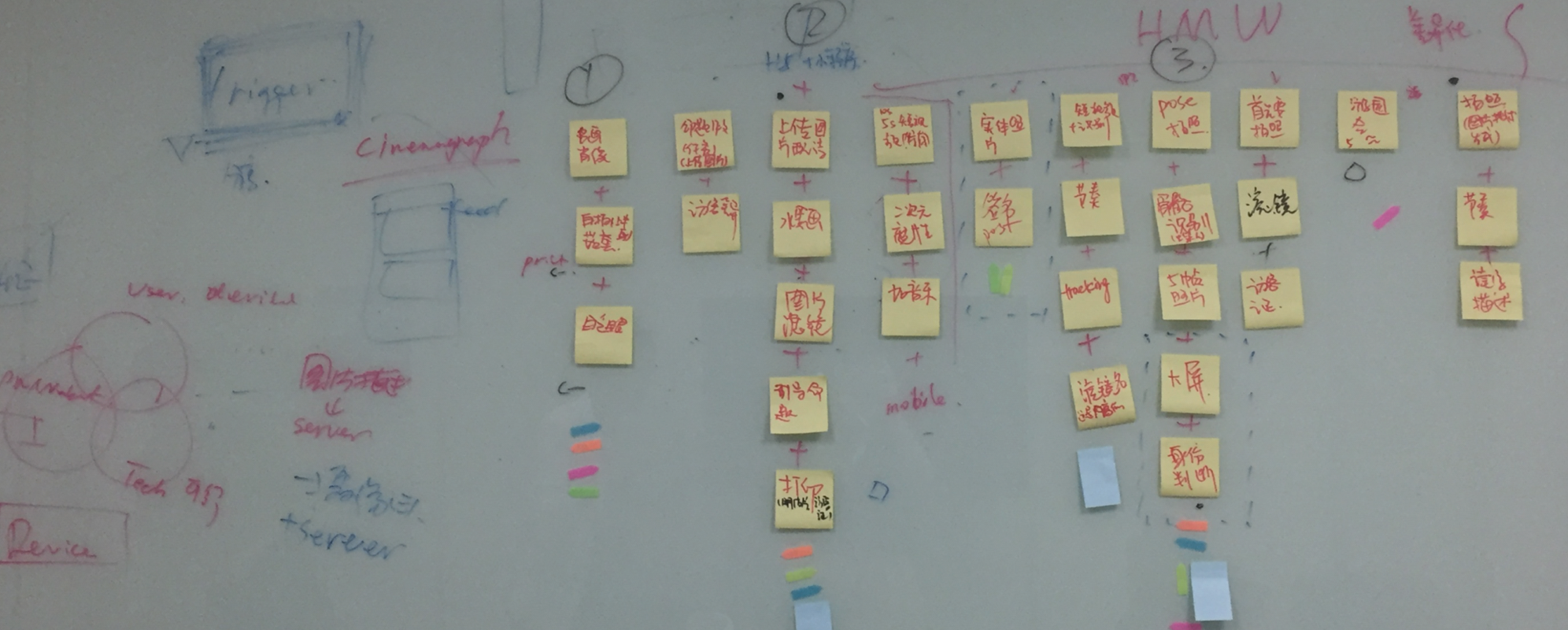
HMW
On the 2nd Day afternoon|Definition, Evaluation and Sketch
Define
Based on our goal is to provide visitors with approachable, fun, and accessible MVPs. We scored the How-Might-We questions into the two-dimensional coordinate axis from the feasibility and usability for evaluation. Based on the group decision, we came up with the first MVP which is called Images N’ Poems, and stated the design challenges:
Design a WeChat Mini-Program for visitors of AI Lab, which automatically generates ink wash paintings with a poem based on user-uploaded pictures by using the technology of image style transfer and image caption, our delivery is the prototype. This WeChat Mini-Program is required to be simple, fast, and accurate, and it will be released in a week.
Sketch
Markers and papers are prepared for all the team members to draw their understanding. Unexpectedly, we’ve met our Waterloo. It became a solo creation of designers due to the reality that non-designers lack confidence in drawing a sketch. Our two designers have drawn four sketches, the main difference among them is whether there are external devices such as expansion screens and printers.
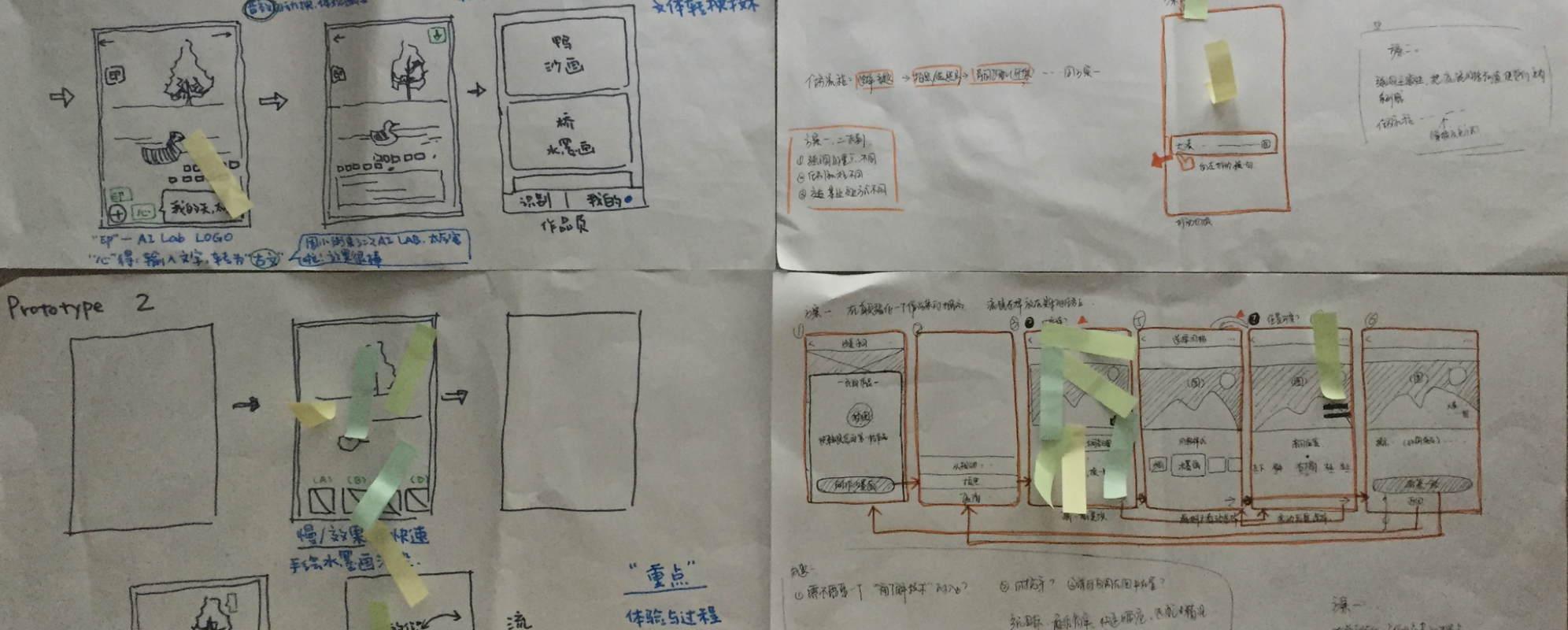
Sketch
Decide
We together made a vote on these sketches, one of them would be refined later.
Prototype
Shortly, our designer has delivered the main flows and key pages.
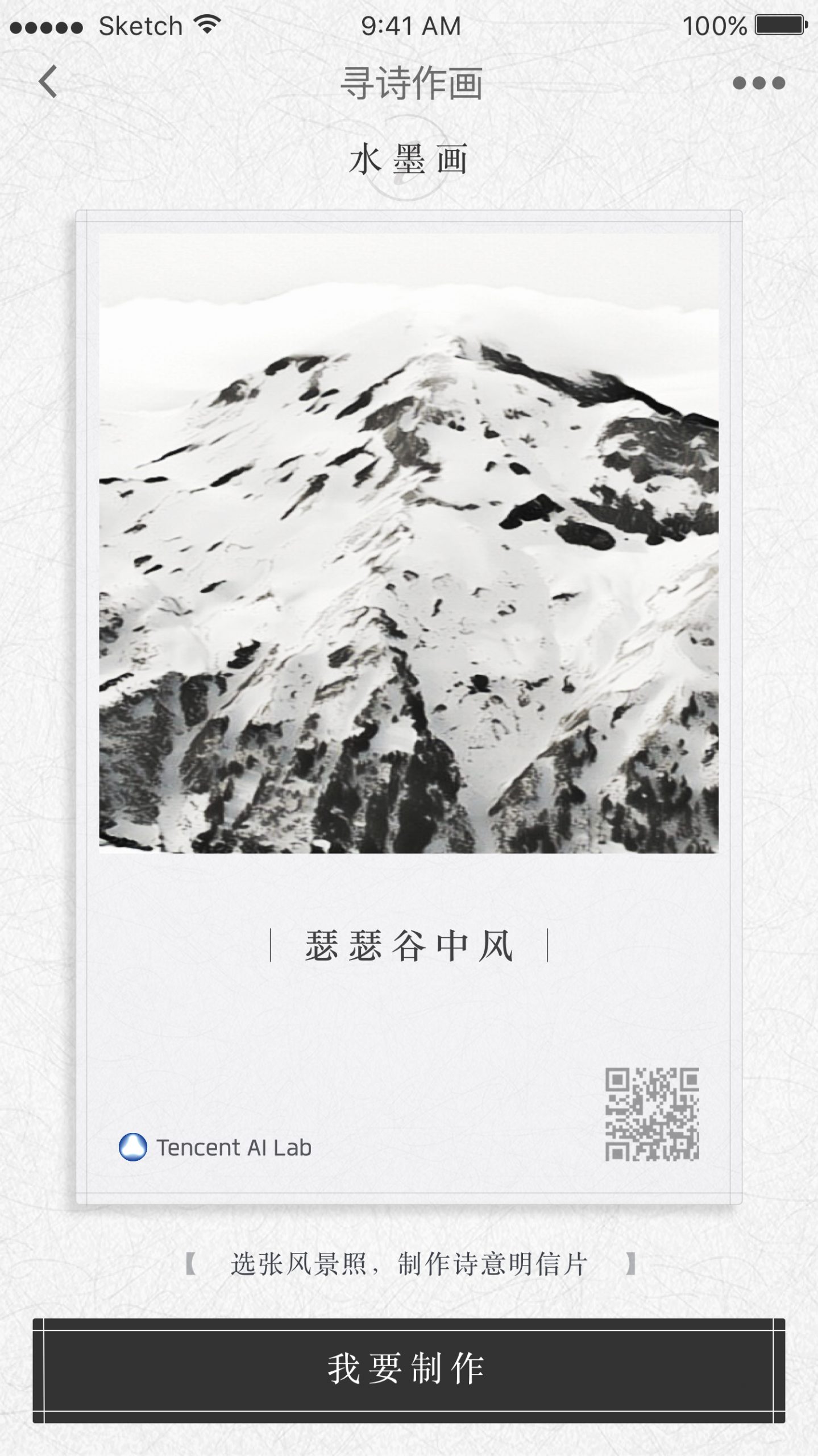
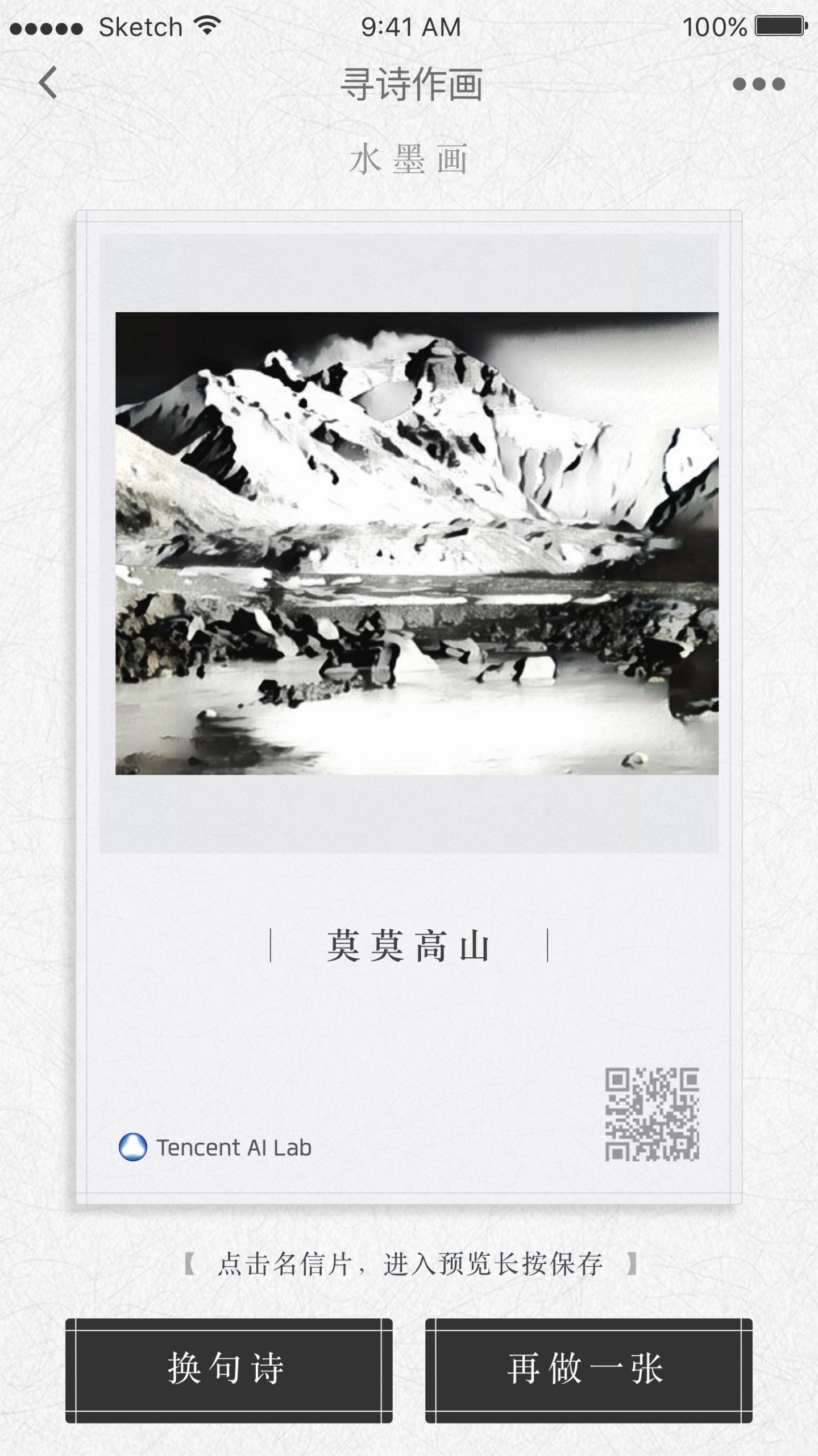
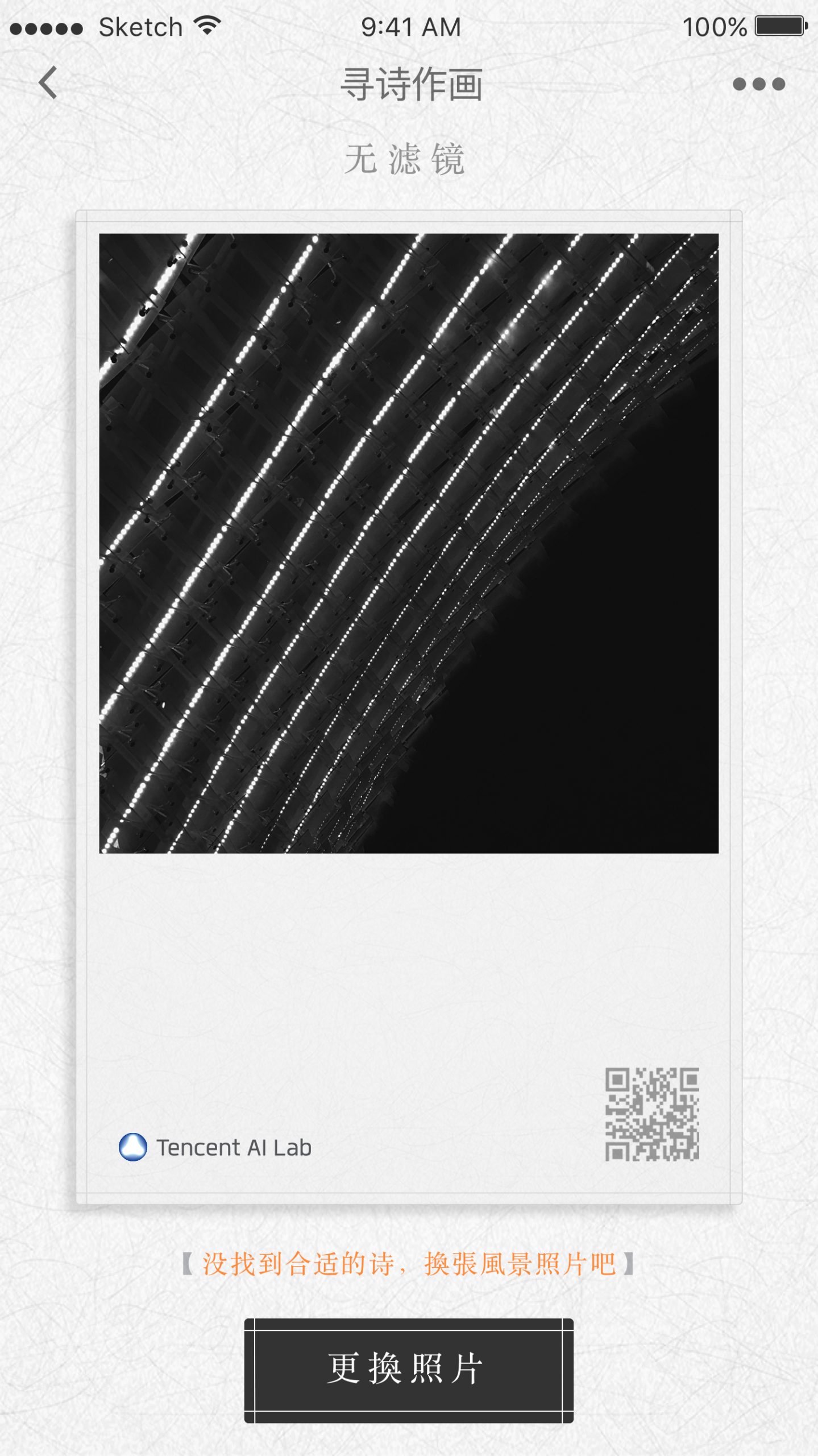
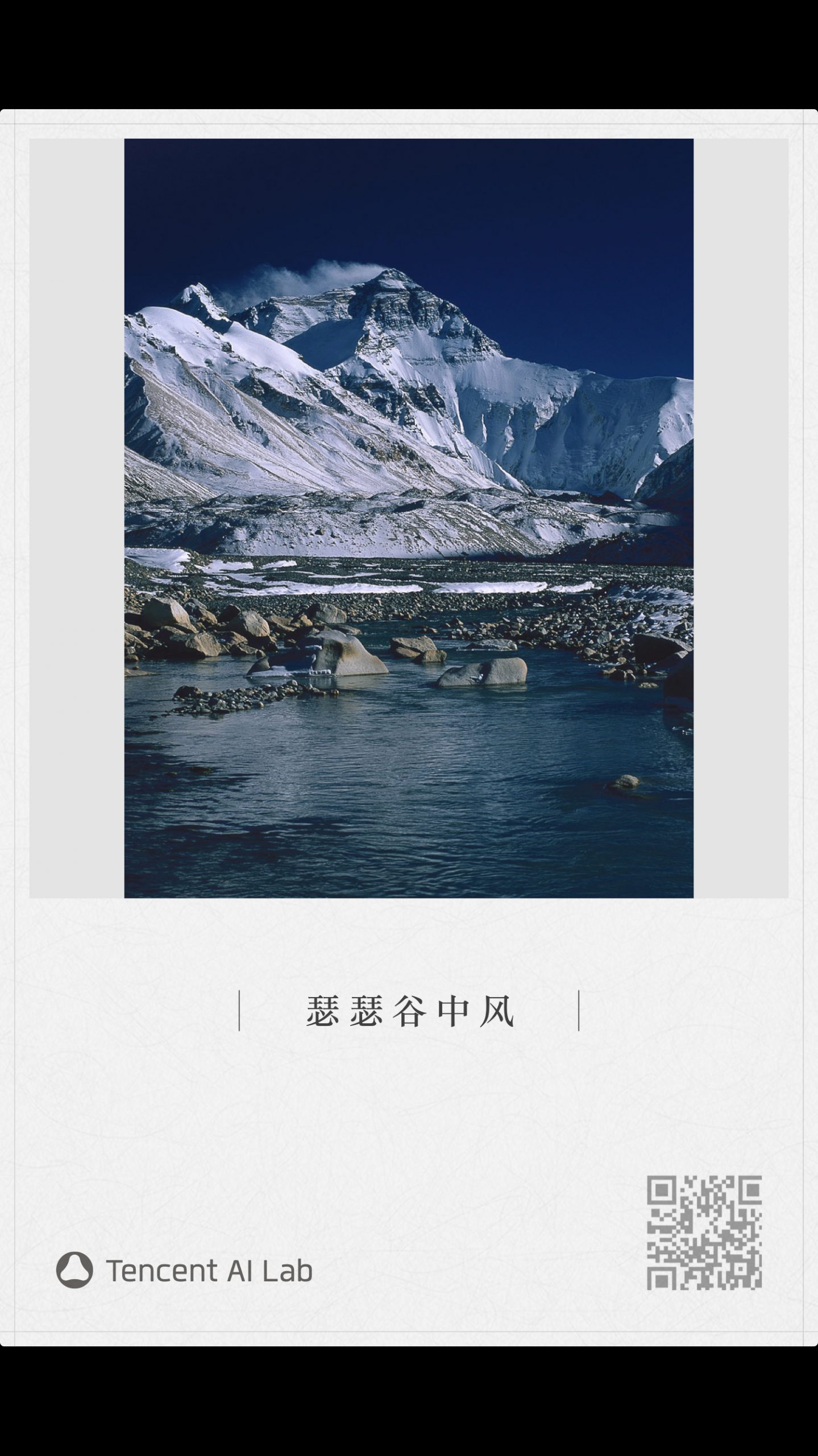
Prototype
On the 3rd Day afternoon|Validation
Validate
We printed the solution, invited the decision makers of the stakeholders again, and let the team members walk through the process together. Tiny adjustments were collected. Voila, we’ve come to a successful design sprint!
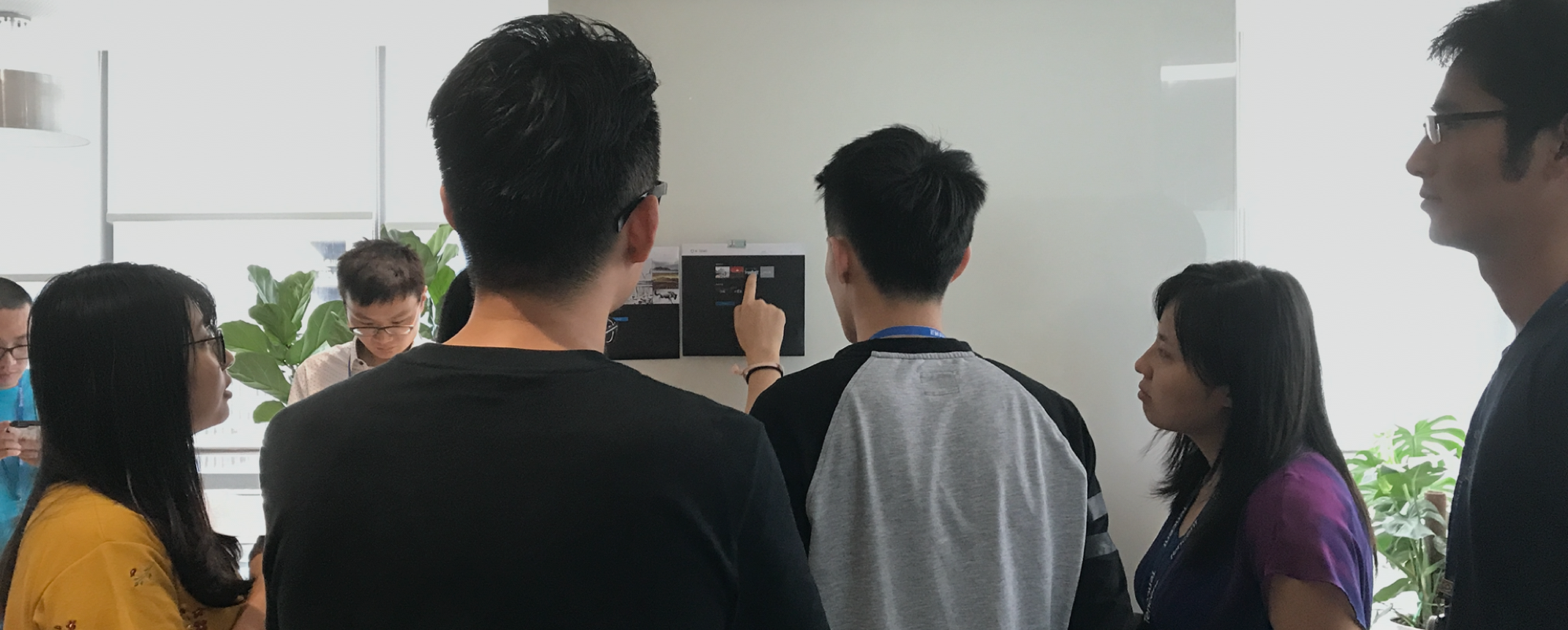
Stakeholder Evaluation
Output
Images N’ Poems WeChat Mini-Program has successively appeared at CVPR, TGPC and other conferences to show AI Lab’s technology.
What's More
This was not a premeditated Design Sprint, but in the process, it was discovered that the purpose of the quick verification MVP coincides with the Design Sprint. And this point, we realized that we could do this as the first stage of the Design Sprint and guide the rest stages. During the whole process, I took the role of Master, also it is the first project I have organized and advanced in my career. Although the project was light, it made a lot of sense to me. We were trying to explore new fields with new methods. The open discussion, and group decision in the whole process were meaningful to me in my future work.
There is one more thing that is particularly enlightening. Non-designers are always a little shy about drawing prototypes. This was unexpected at first. This topic may be very general. In the face of professional barriers, how to make others easily accept and actively participate? Well, this is a question worth pondering.
© 2024 Xiang PENG. All Rights Reserved.