
Data Center Services Management Portal
2018|Type: Platform Product|Tag: Design System|Role: UX Design,Project Management
What’s DCSM?
Data Center Services Management Portal provides services related to server room resources for the key accounts. Through this portal, the key accounts’s users can submit service applications to Tencent Data Center, follow up on service progress, and check service quality. At the same time, different roles can also use the portal to view the utilization of server room resources and equipment, add the company’s users, and view monthly reconciliation. In addition, it also provides Tencent Cloud's managers with the ability to visit server rooms and conduct on-site surveys, which facilitates communication with key account managers.
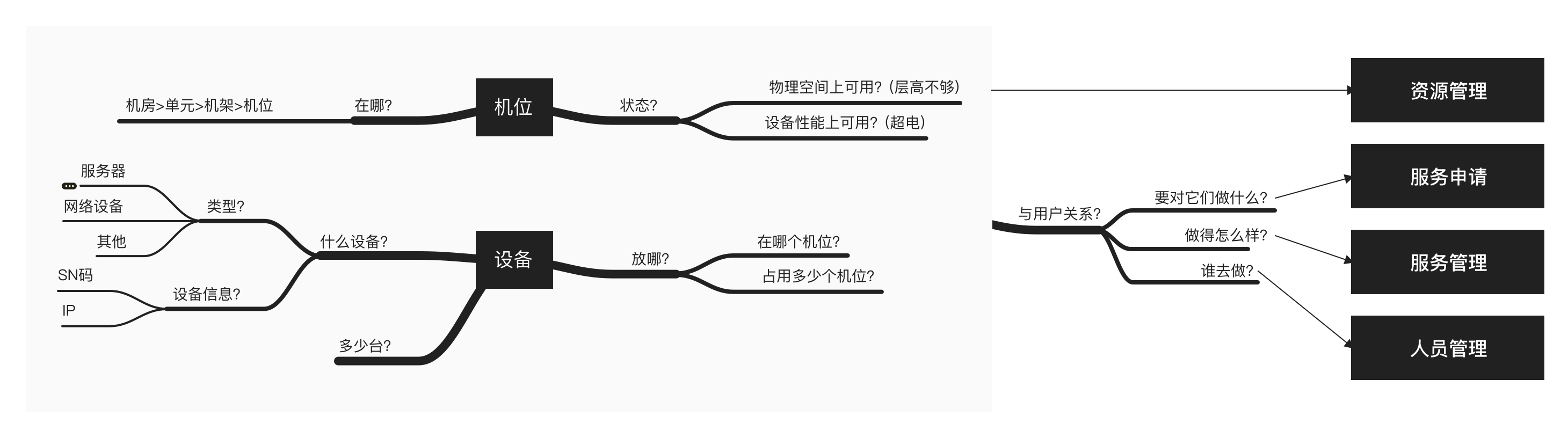
Relationship between data centres and users
Redesign
Problem
Through user interviews, we learned that key accounts encountered the following problems when using DCSM:
When receiving notifications, operational notifications are not timely.
When browsing the homepage, the information presented for different roles is the same, for example, employees do not pay attention to resource utilization in their daily work.
When submitting service requests:
- The current hosting way of the data centre is not informed to the user, who fails to submit the application form after filling it out. The reason for this is that the platform provides different services depending on the role and the hosting way of the data room.
- Explanation is not enough that users do not know what they should do next.
- The pages for different services are less consistent and misleading in terms of layout; resulting in higher costs of understanding.
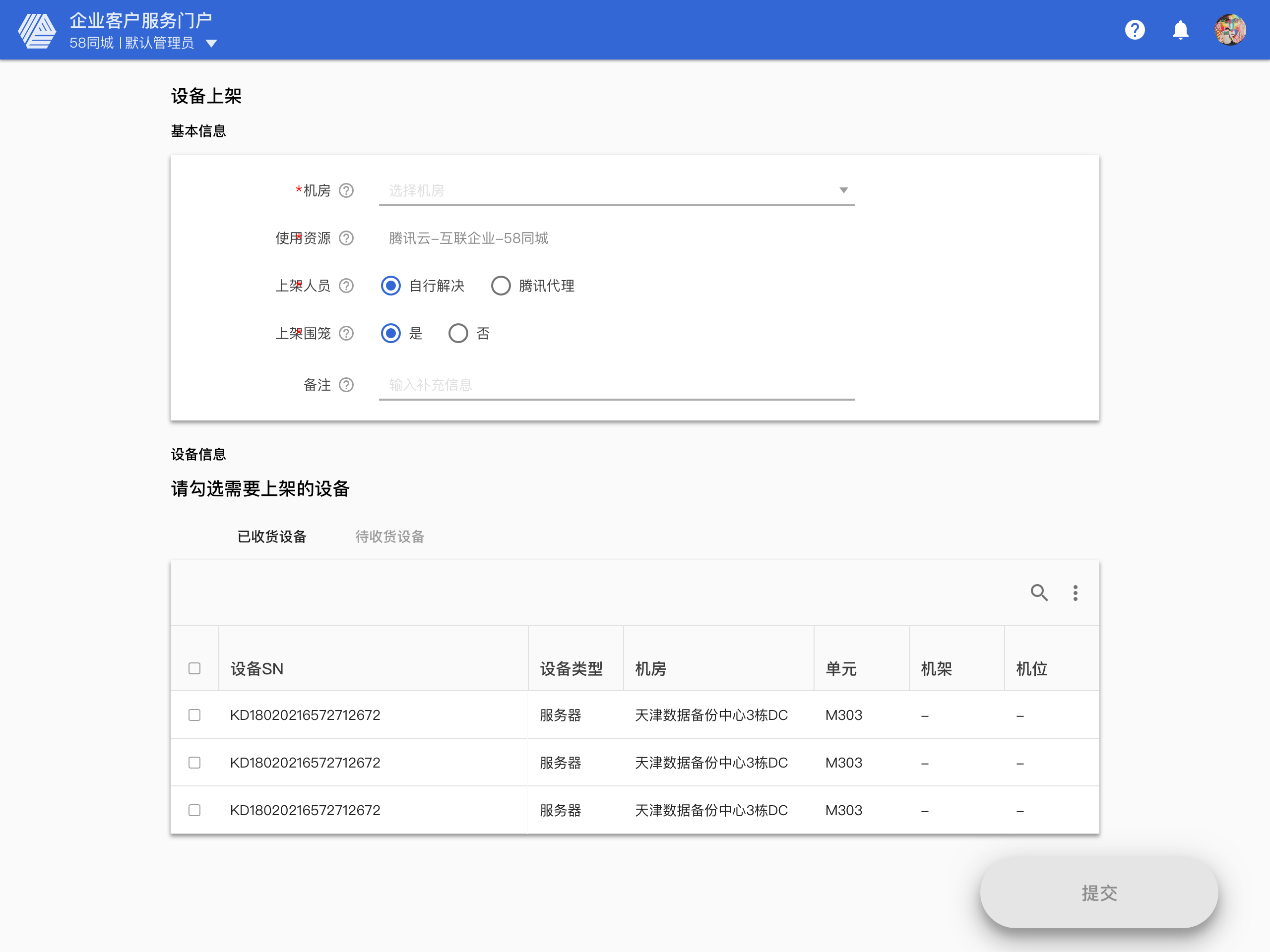
- There is no consistency in the interfaces for the service of the object entry and object exit.
- The object-exit requires to copy and paste information from two pages, and forms are not filled out efficiently.
When searching for information:
- The fields required to be displayed vary from customer to customer;
- Lack of uniformity in the table and poor readability of it;
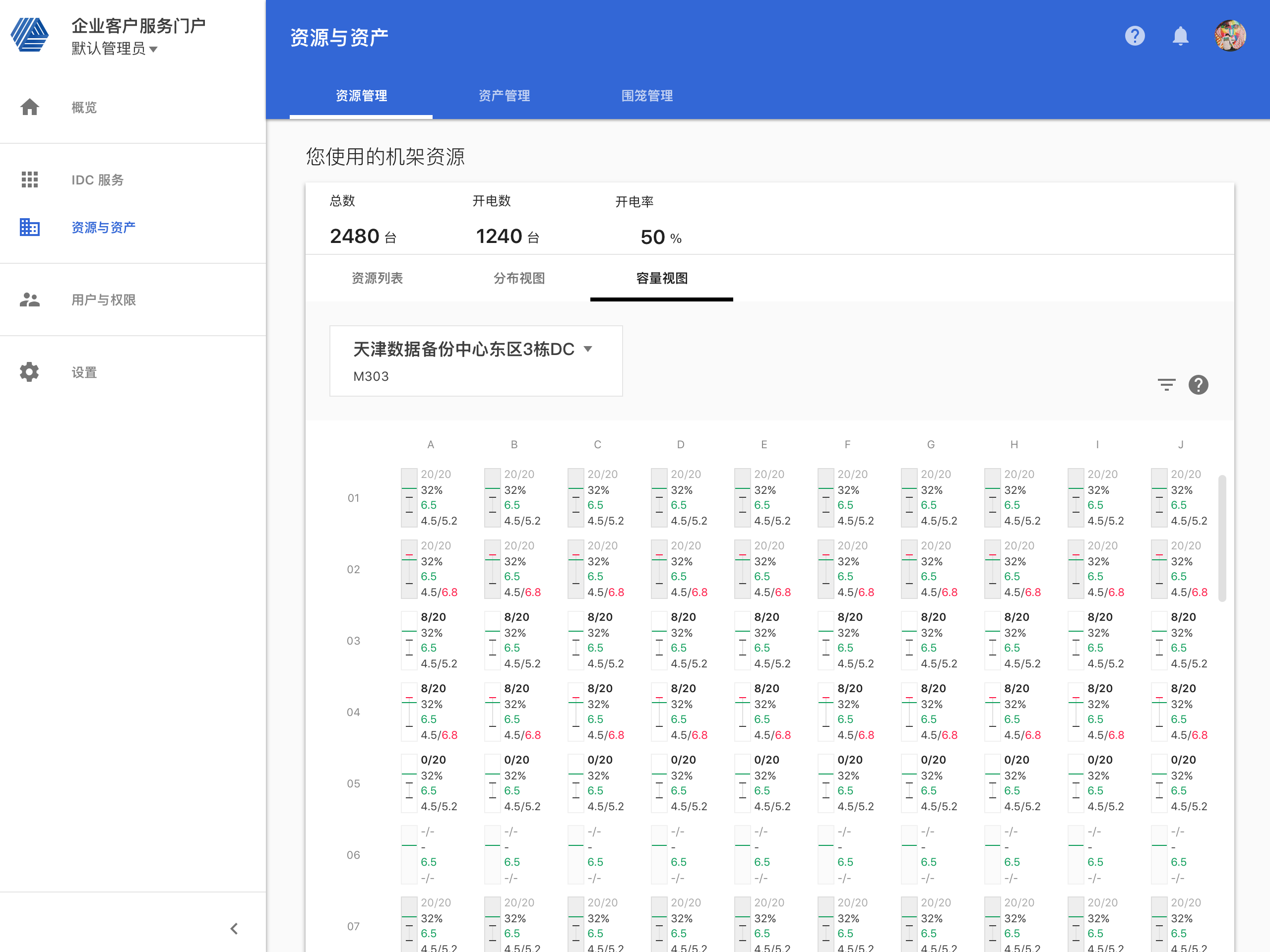
- The graphical representation of capacity management is not very readable;
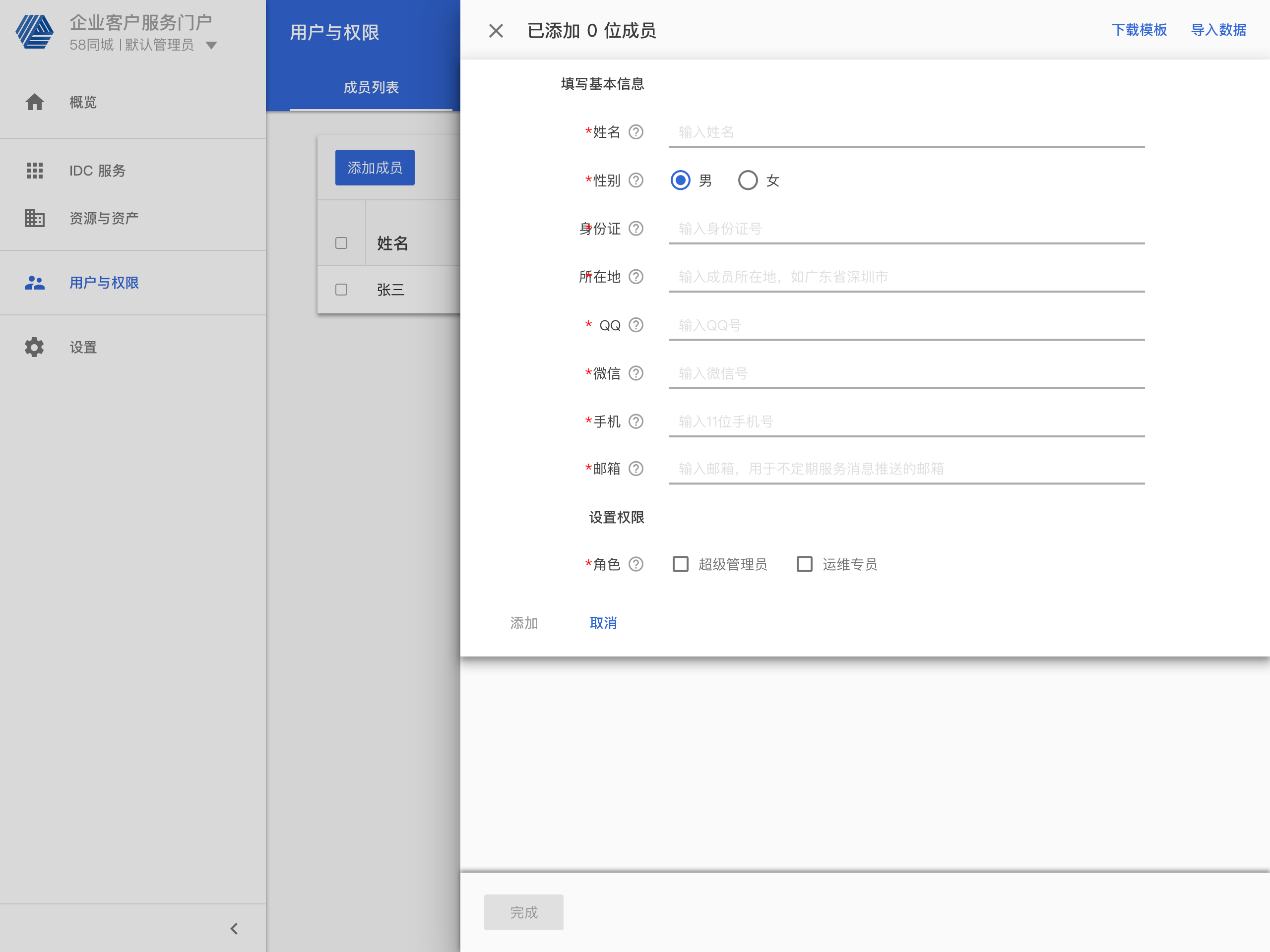
When adding new managers: It is not possible to manage the role permissions of this enterprise by yourself.
The problems could be summarized encountered by users, as follows:
- Roles: ambiguity of existing permissions on the platform.
- Task flow: the increase of customization requirements, which leads to so many isolated cases and the need for more descriptions to explain these choices.
- Interface: inconsistency of UI styles of similar interfaces and variations in UI styles of customized interfaces.
How to fix them
Understand user needs, and clarify different roles.

Roles
Deconstructing basic features and customized features to rebuild IDC services.
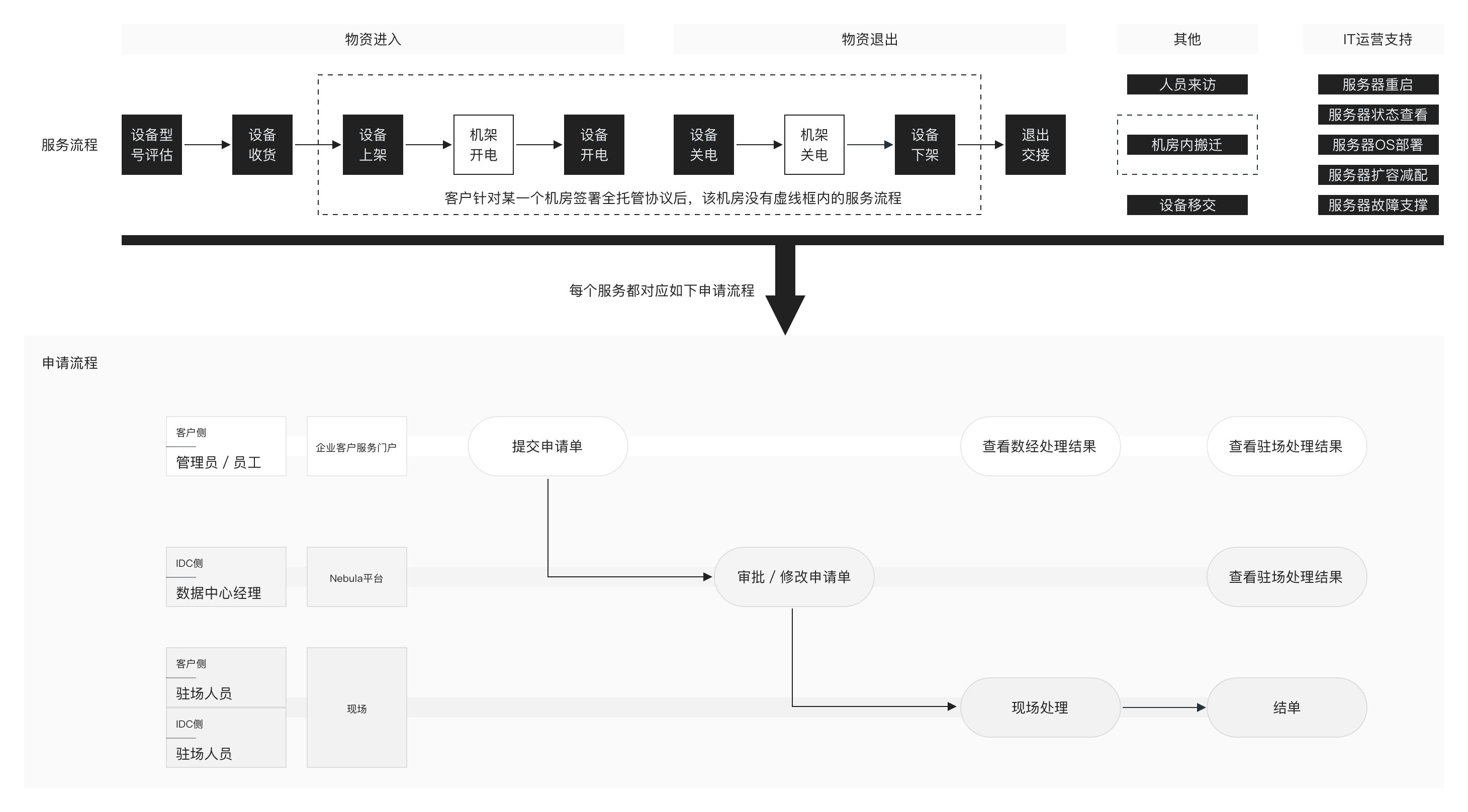
Services provided by the data centre
Assigning products based on roles, sorting out information architecture, and formulating permission strategies.
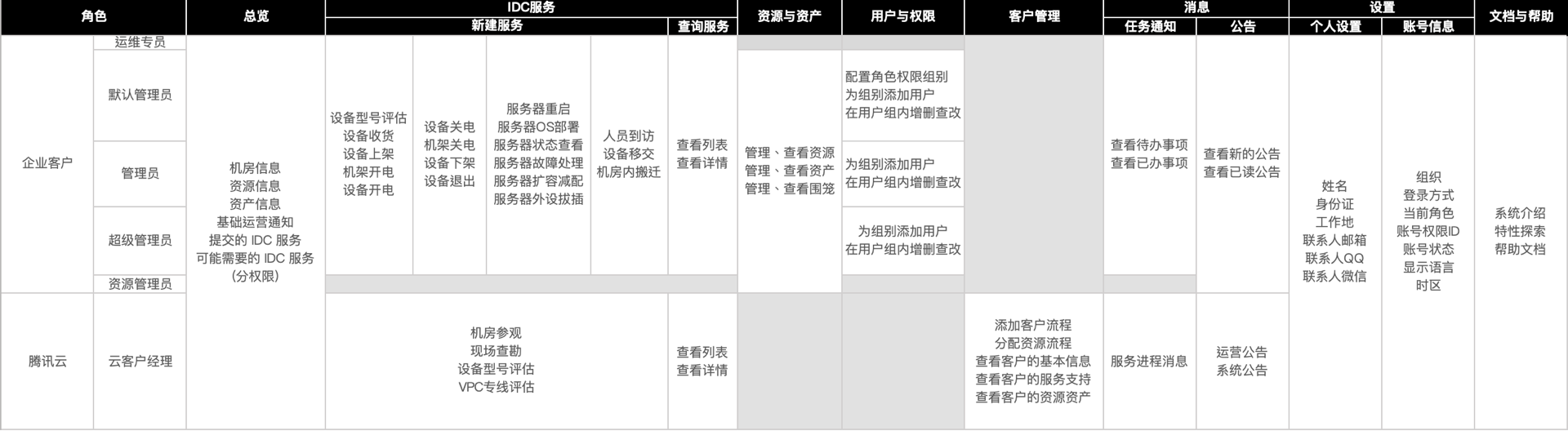
Information Architecture
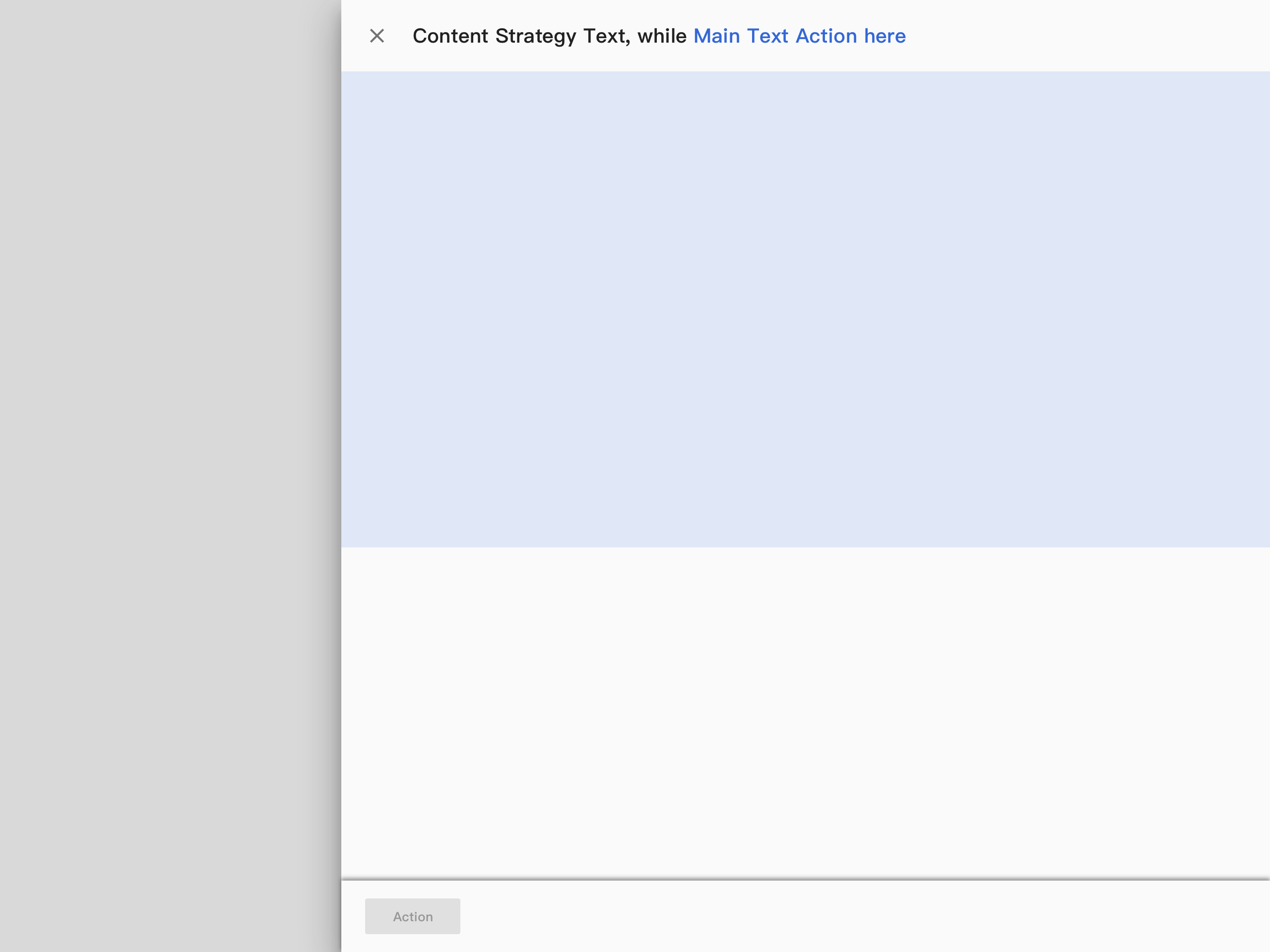
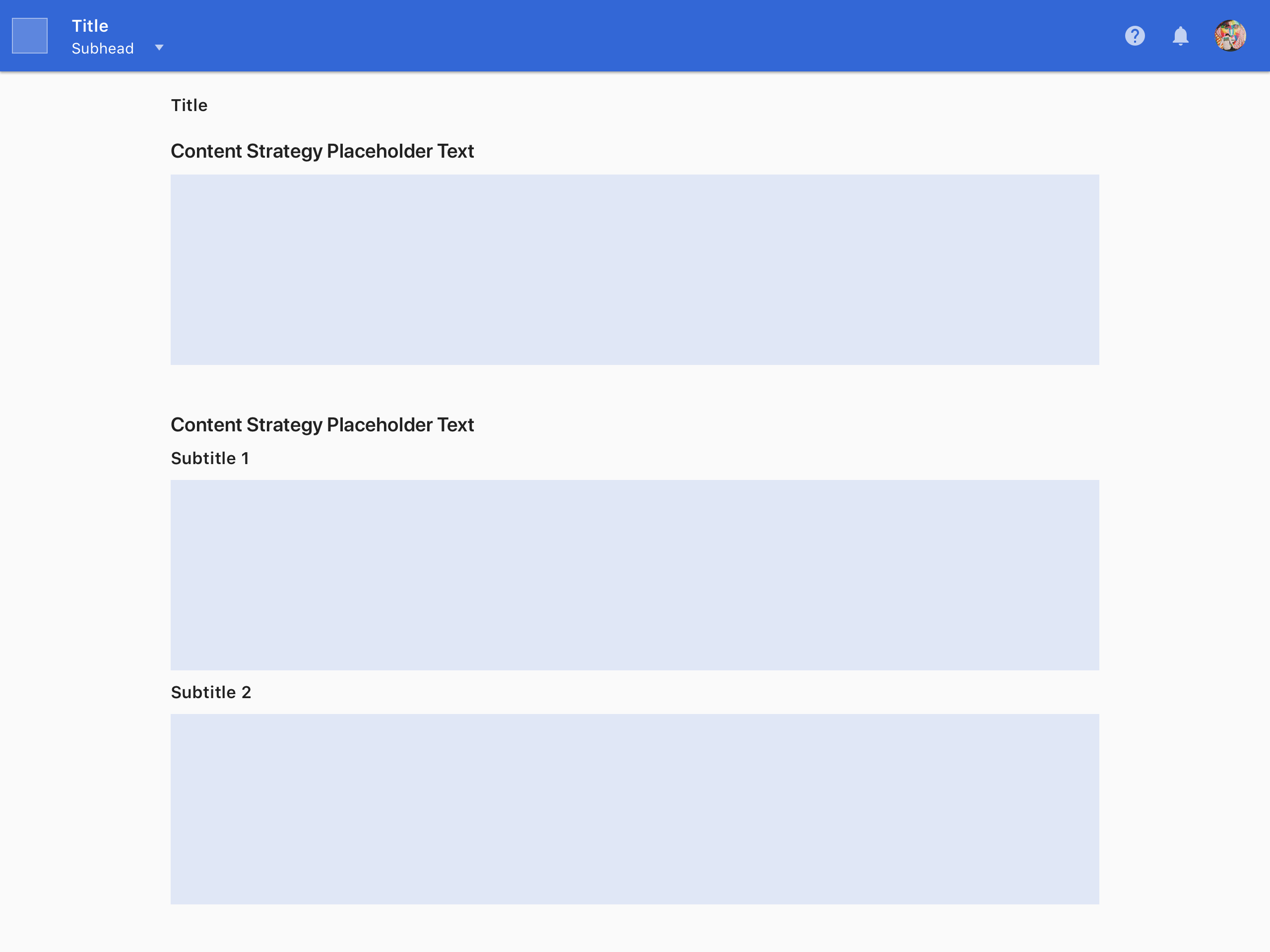
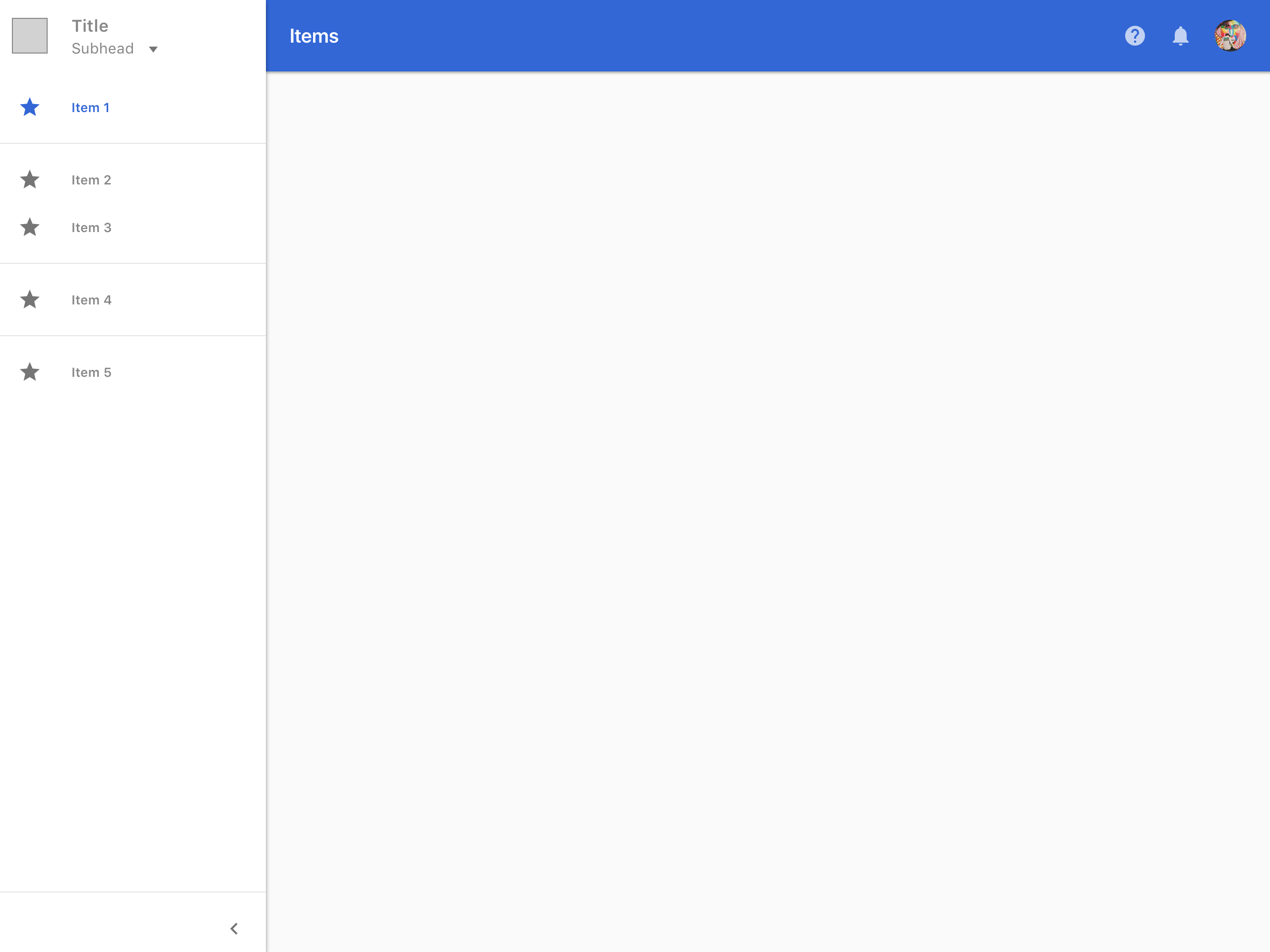
Abstract the framework and business process based on product functions. The regular functions of the backend system are stripped away from the business, it is clarified what role the user enters with and how many permissions to view what content. Under this precondition, the framework is further divided, including but not limited to the list and details, application flow, notification, and email templates.
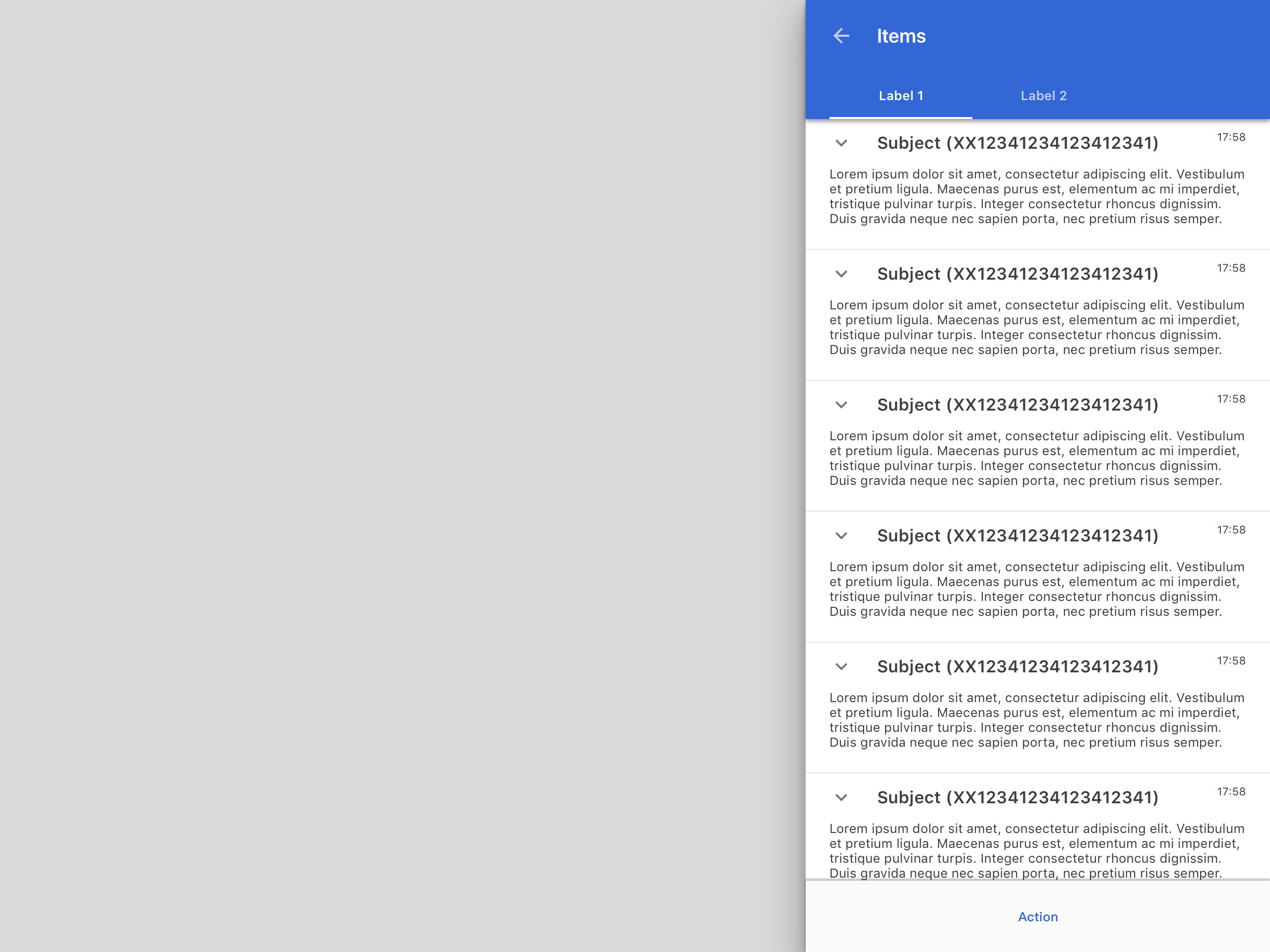
Layout
Standardize pages and components based on business processes. Based on the framework, start making product functionality complete, including but not limited to viewing data overviews and details, and application forms.
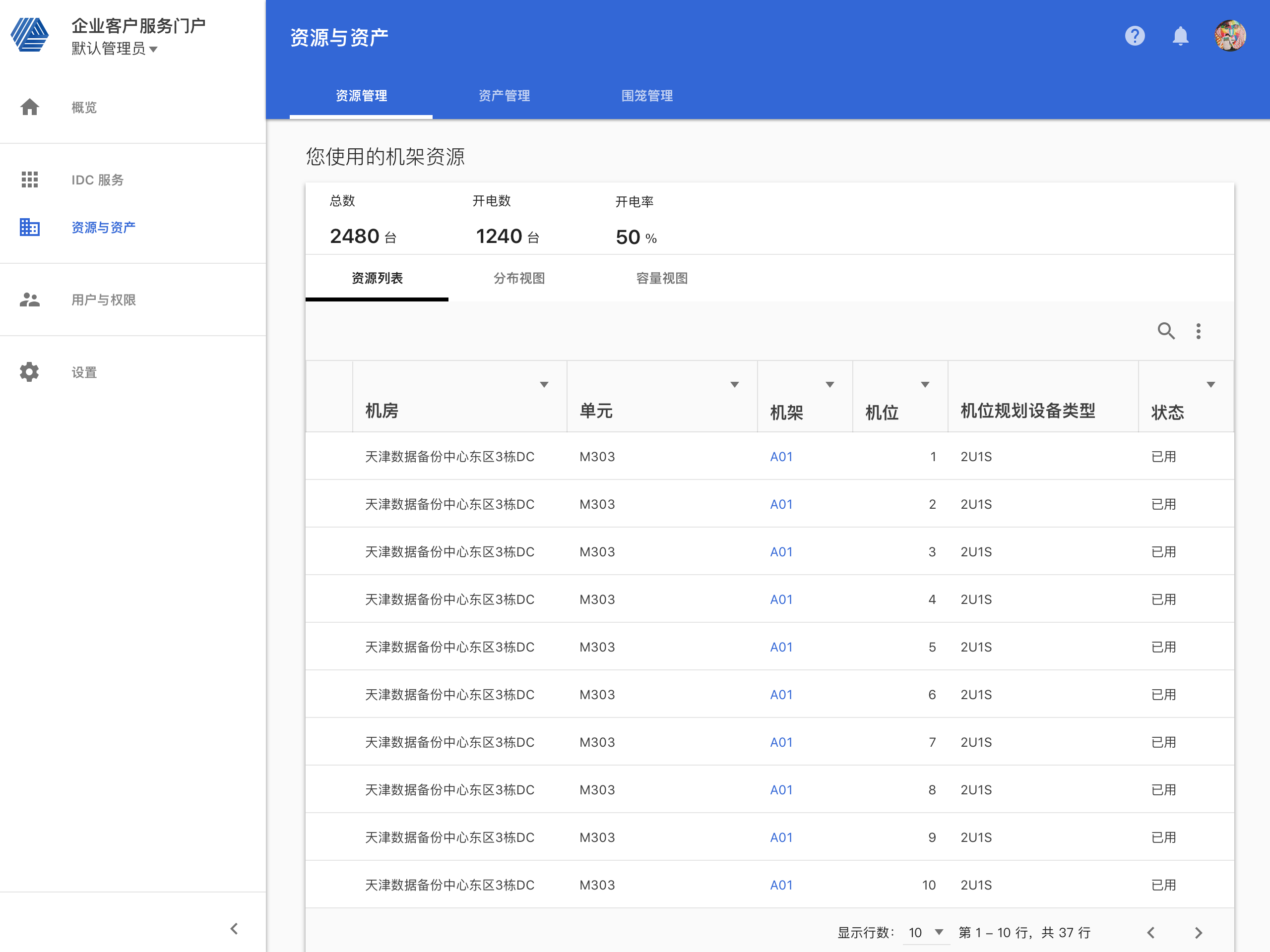
Content and Function
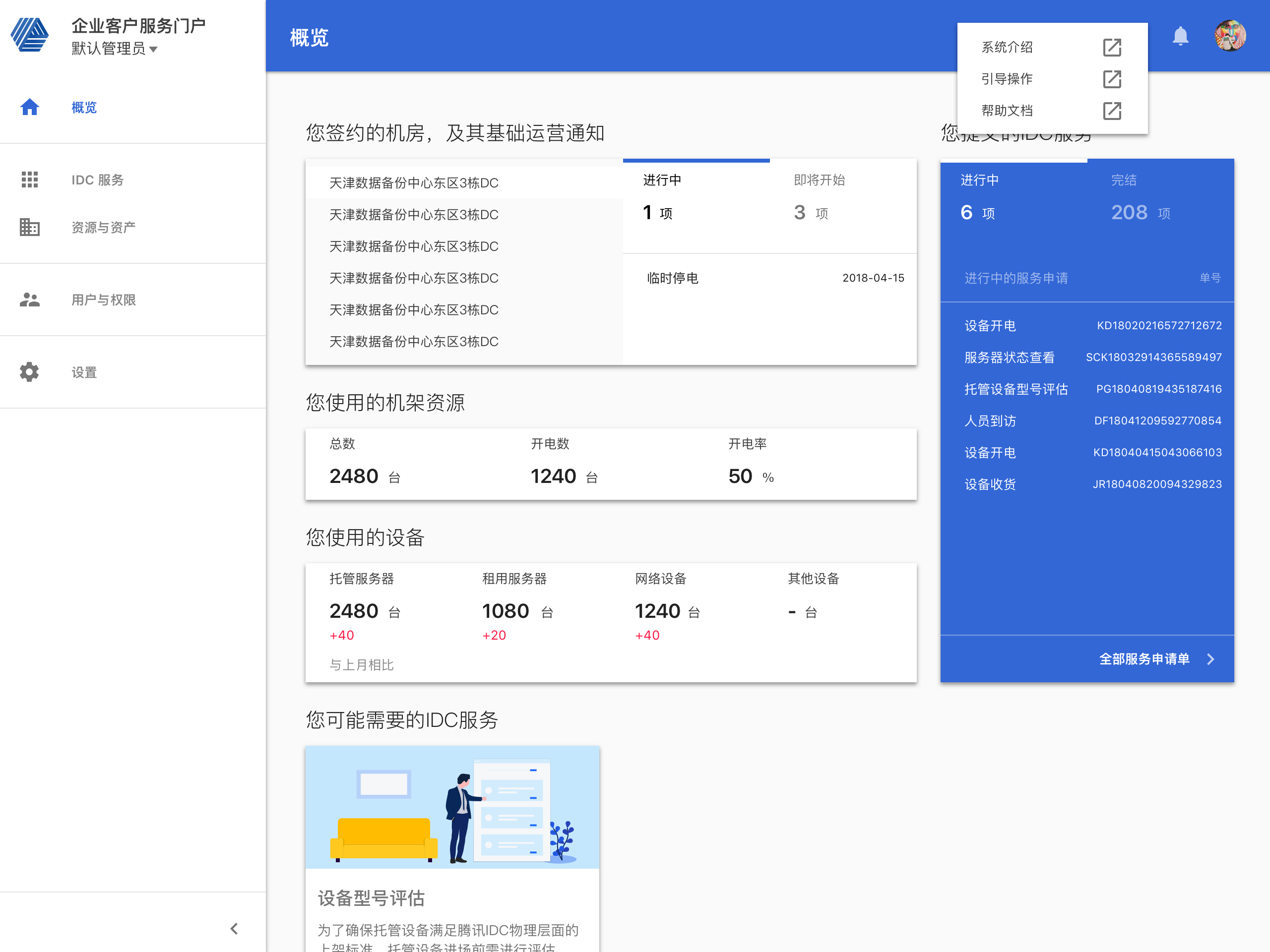
In addition, to help users understand the redesign, we have arranged: a system introduction, guided operation, and help documents for the first time to use the new version of the website. This allows users to be guided when using the new version of the website for the first time, and to make inquiries when they do not understand the business.
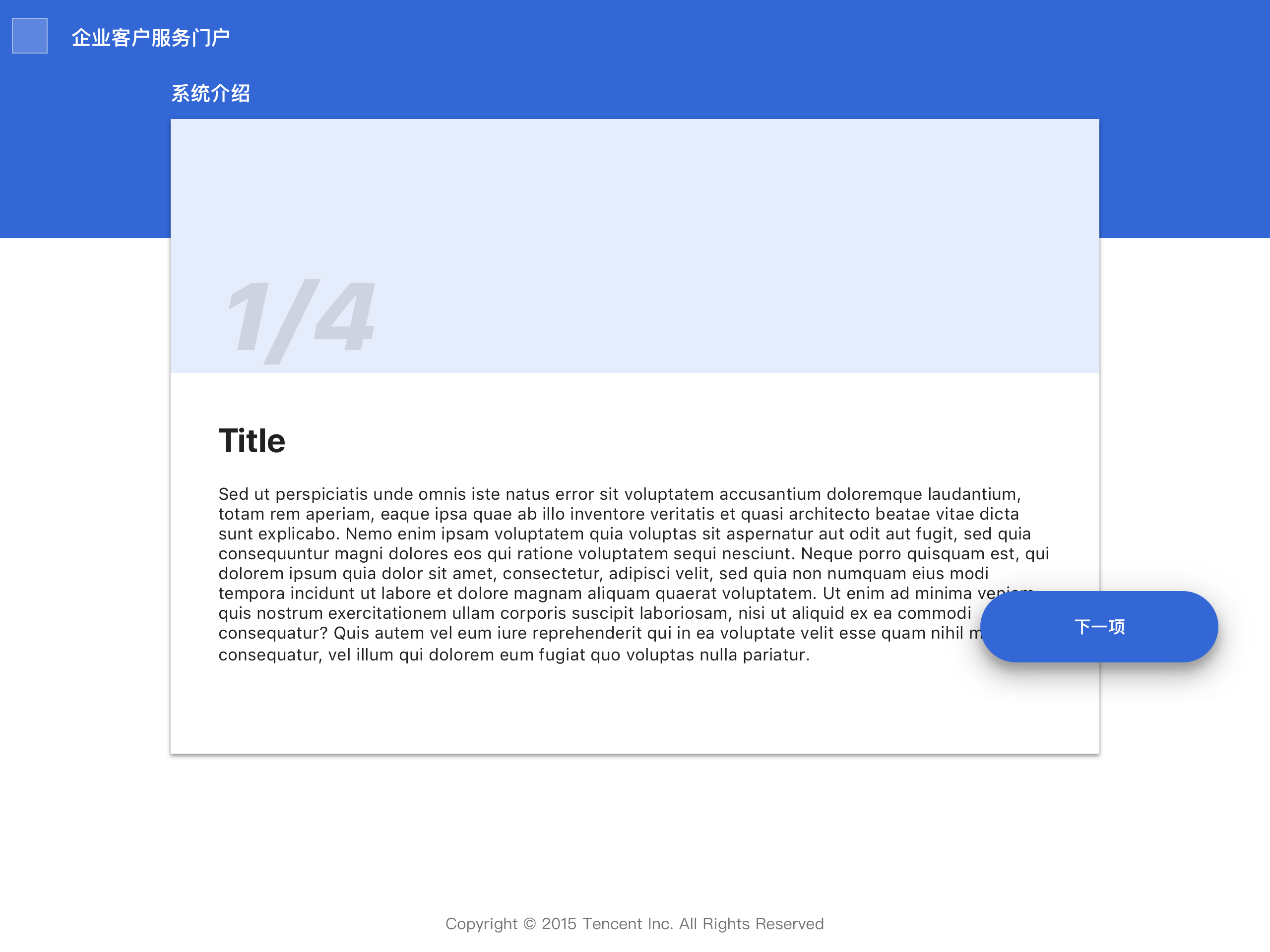
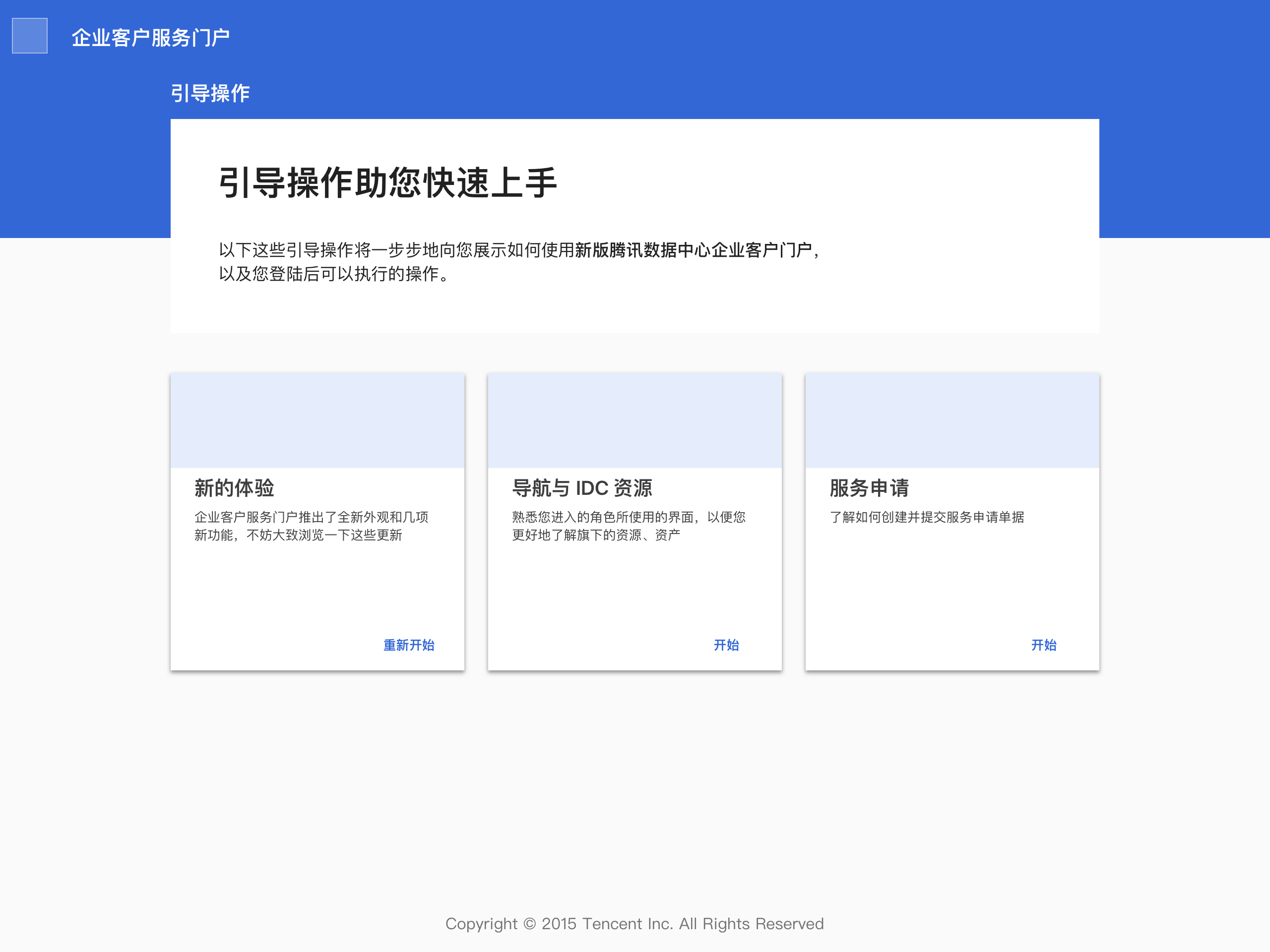
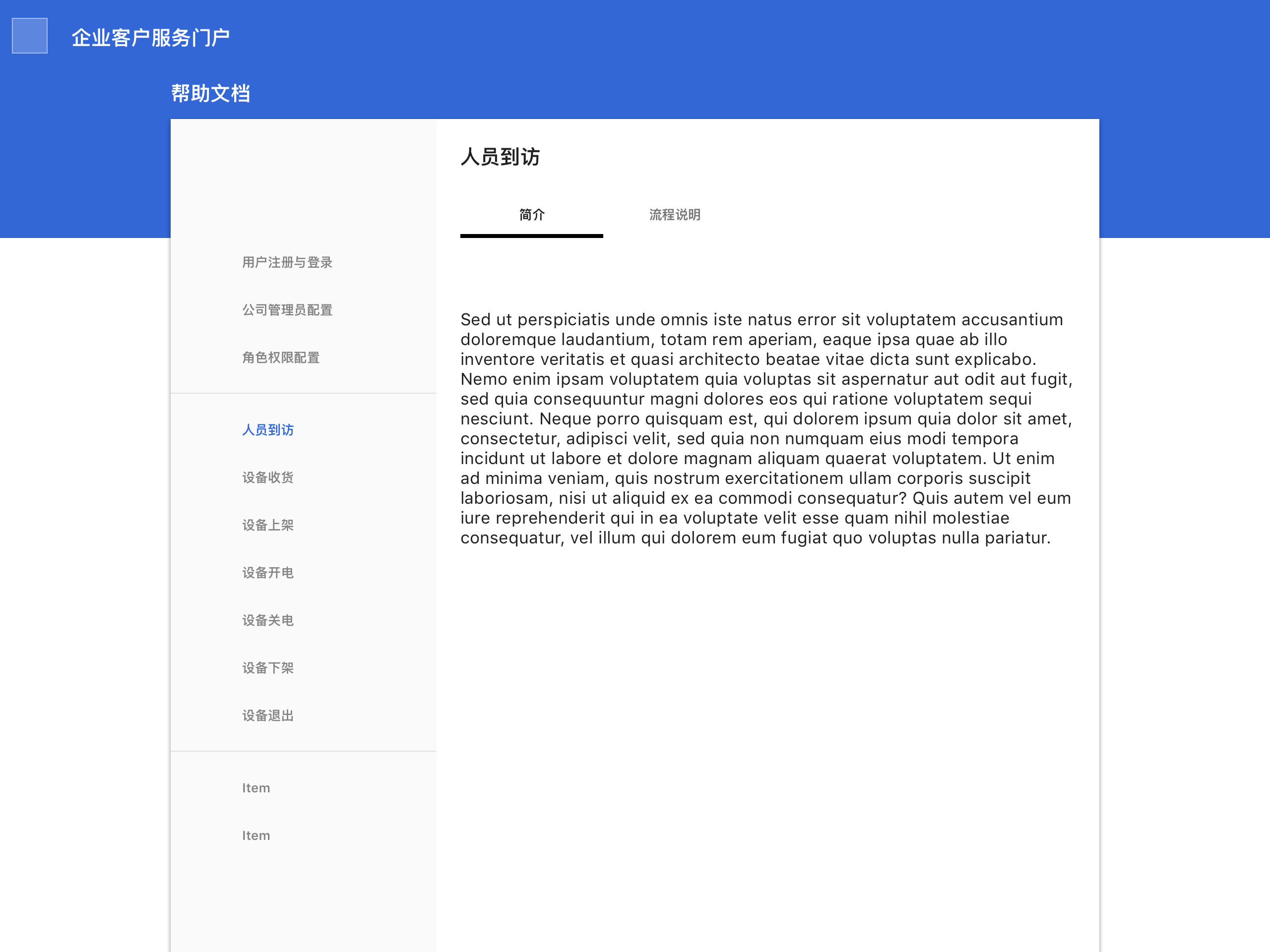
User Engagement
Design System
Why do?
In the actual implementation, to boost the consistency between the systems of IDC business unit, the solution of design will jump out of the frame of business, from the basic dimension to design the permissions, framework, layouts, components, and styles, to help other systems of IDC business unit to reuse faster and more efficiently.
In addition to this, the IDC business unit plans to package the core competencies of multiple systems into an all-in-one solution that can be sold to the enterprise as a package deal, where the visual identity needs to be taken into account while maintaining the brand identity.
Problem
Design Guideline: Through studying the design guidelines of others, we found that the design guidelines precipitated by the different business units are instruction handbooks, which require reading by line and are not operable. Especially when the project is handed over, there is a certain threshold for reading, understanding, and applying the design guideline, and is not acceptable by designers. Also, the guideline is not very compatible with new product features, and more and more cases are accumulated over time, which leads to the bloated stage by stage.
Designer: In addition, designers' professional experience will have different levels of understanding of the guidelines. Based on this situation, the cognition and behaviour of individual designers do not have the conditions for standardization, and virtual organizations similar to the Designers' Alliance are needed to jointly agree on the design of design and to help the users (designers and engineers) to build a common understanding through cognition and behaviour. At the same time, this whole set needs to be built from the bottom to the top, meta-symbols would be the key.
Ideally, this file with the following characteristics:
- The guideline is both readable and operable.
- Quick start, shortening the path.
- Consistent perception, and standardized naming.
How to fix them
Integrate the guideline within the design file: Gradually unified at the operation, higher requirements for the output of the design draft, the guideline will be presented in .sketch file format in the early stage, including the Symbol Library, common UI Component, and Template. Laterly handed over to engineers for componentization.
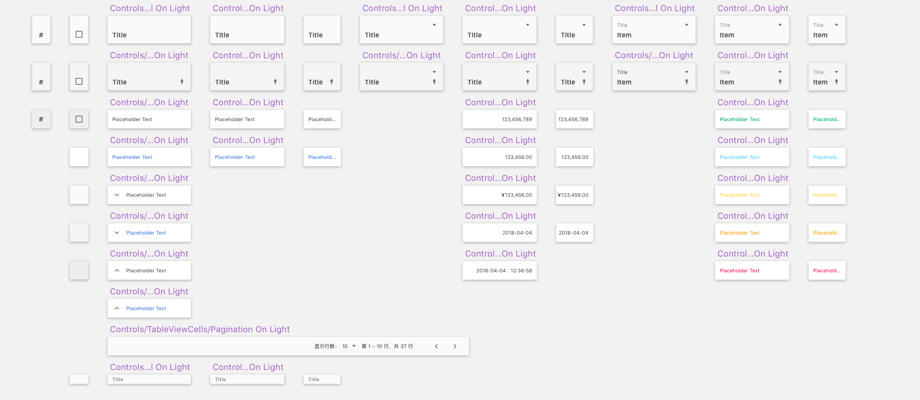
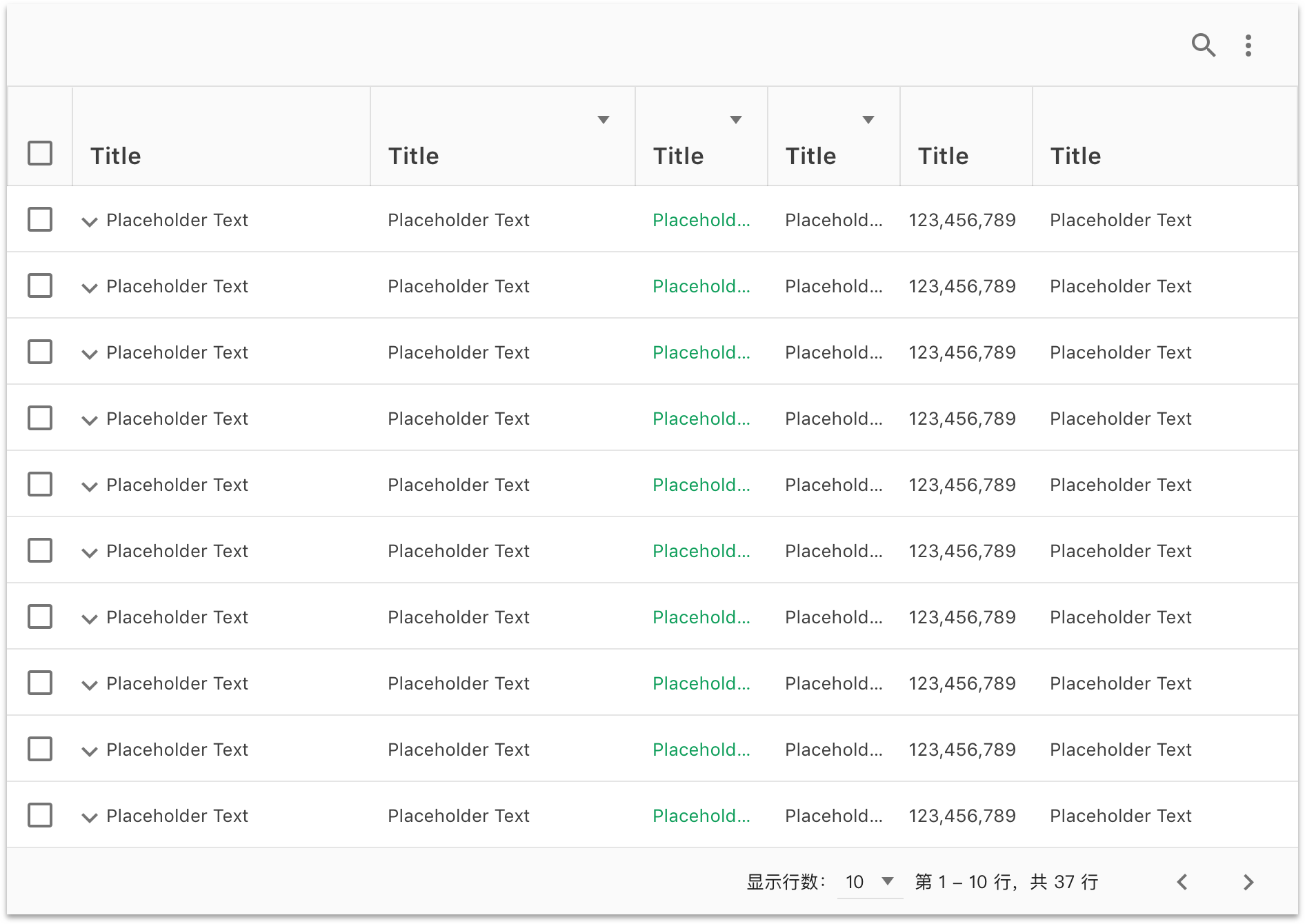
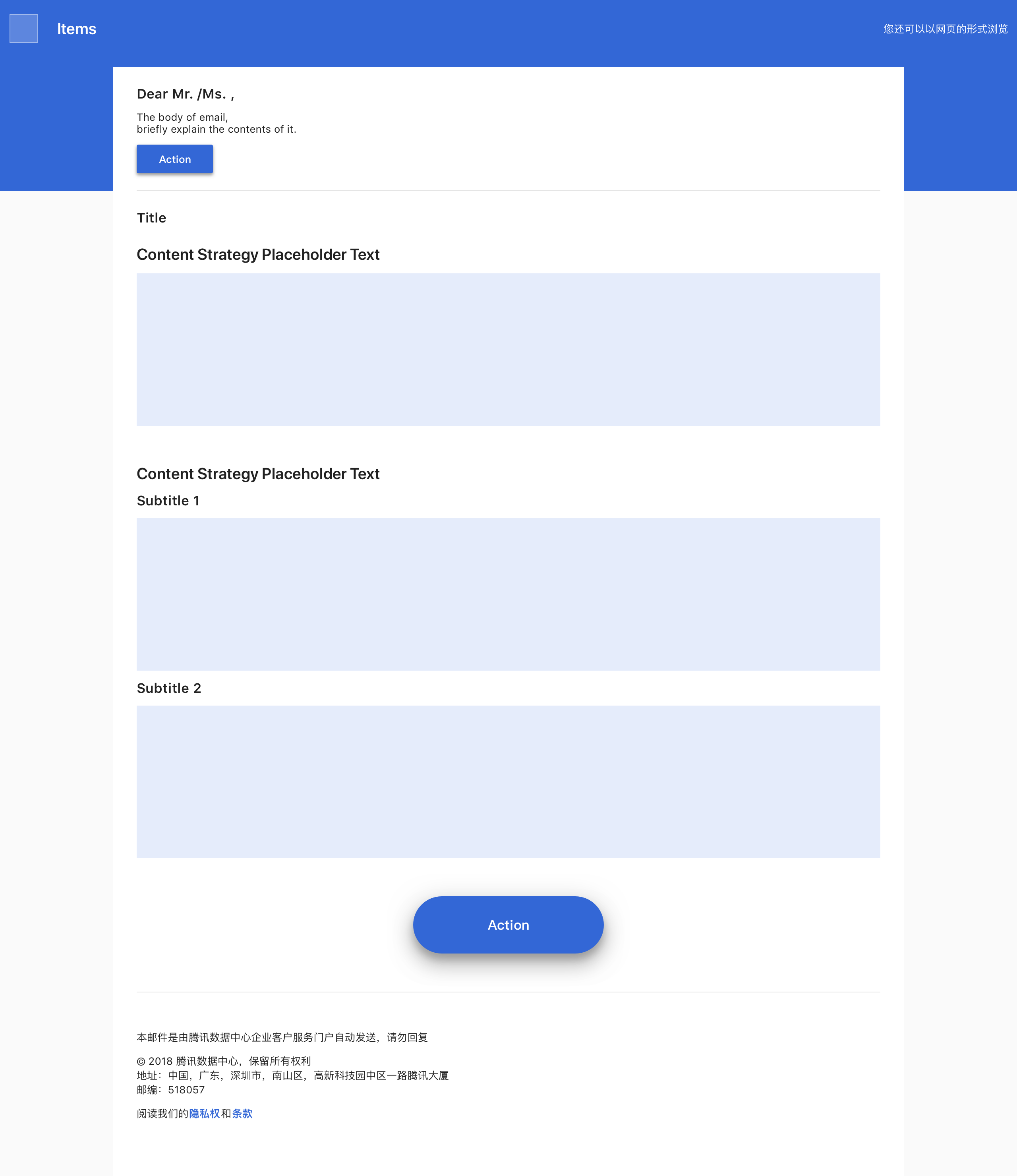
UI Kit and Template
Define nodes, and standardize naming: Gradually unifying the cognition, naming determines the information architecture of the Symbol. Deconstructing and reorganizing page elements, refining high-frequency, repetitively identical, and similarly structured symbols, and maximizing the reuse of symbols in the library.
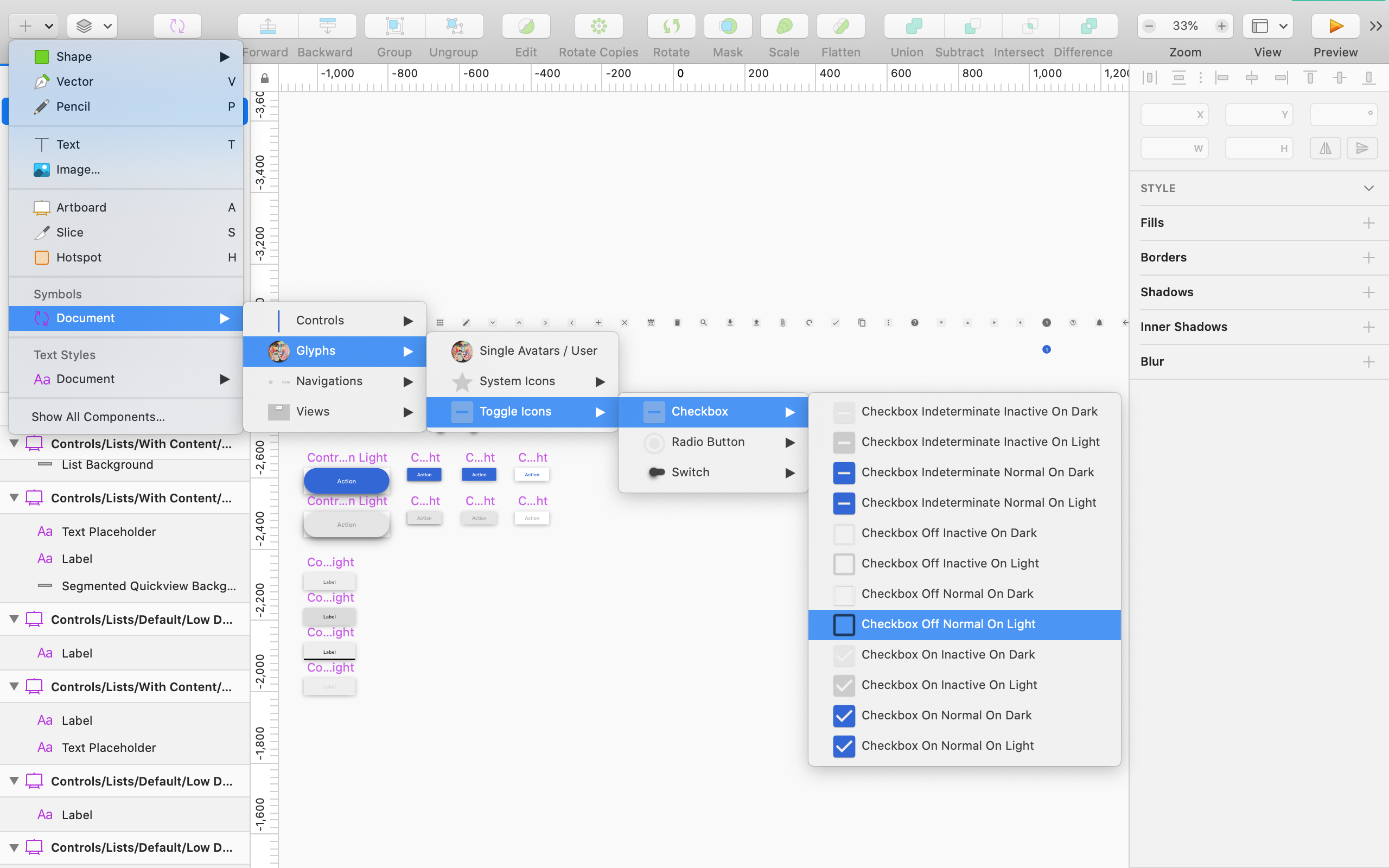
Naming of Symbols
Sorting out the information architecture of the symbol system and minimizing the path: Further optimizing cognition through behaviours, progressively standardizing and minimizing. Enriching the four sets of definitions with the help of semantic notions of connotation and denotation.
According to Saussure's definition of a sign, we know that the composition between the 'signifier' and the 'signified' can only be formed by common recognition.
For Views, there is currently a lack of experience, which will be gradually adjusted to the new information architecture in Phase II in conjunction with the visualization.
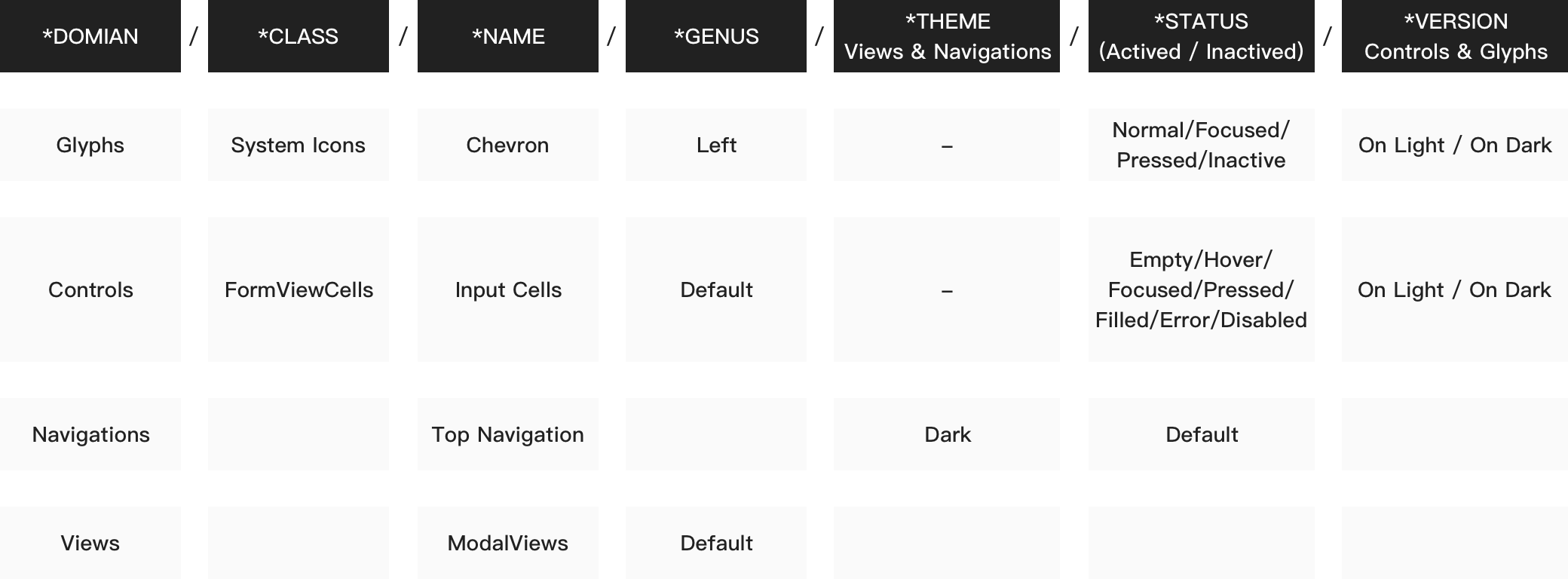
The Rules of Naming
Effects
DCSM's solution has comprehensively covered the IDC business unit’s platforms, including the customer-facing solution T-Nebula.
© 2024 Xiang PENG. All Rights Reserved.